
Our Story
One family's search for answers. A discovery that changed the field. A foundation built so other families don't have to search alone.
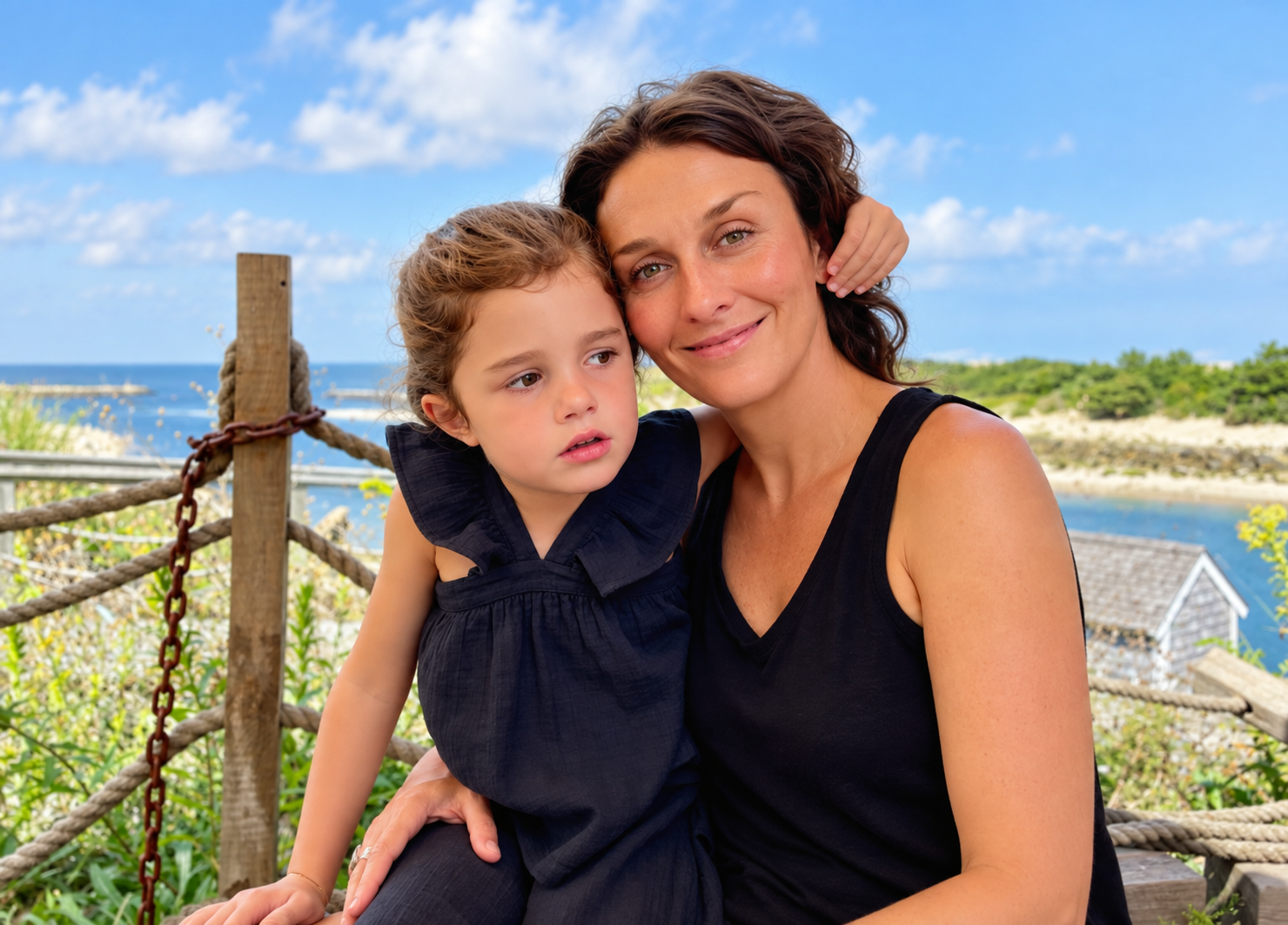
“He was wrong. Ellia walks. She talks. And we never take that for granted.”
Ellia is ten. She loves music, singing, dancing and, more than almost anything, Mini Coopers. She is funny, affectionate, determined, and brings joy to the people around her.
She also lives with a serious neurodevelopmental disorder and seizures that can threaten the abilities she has worked so hard to gain.
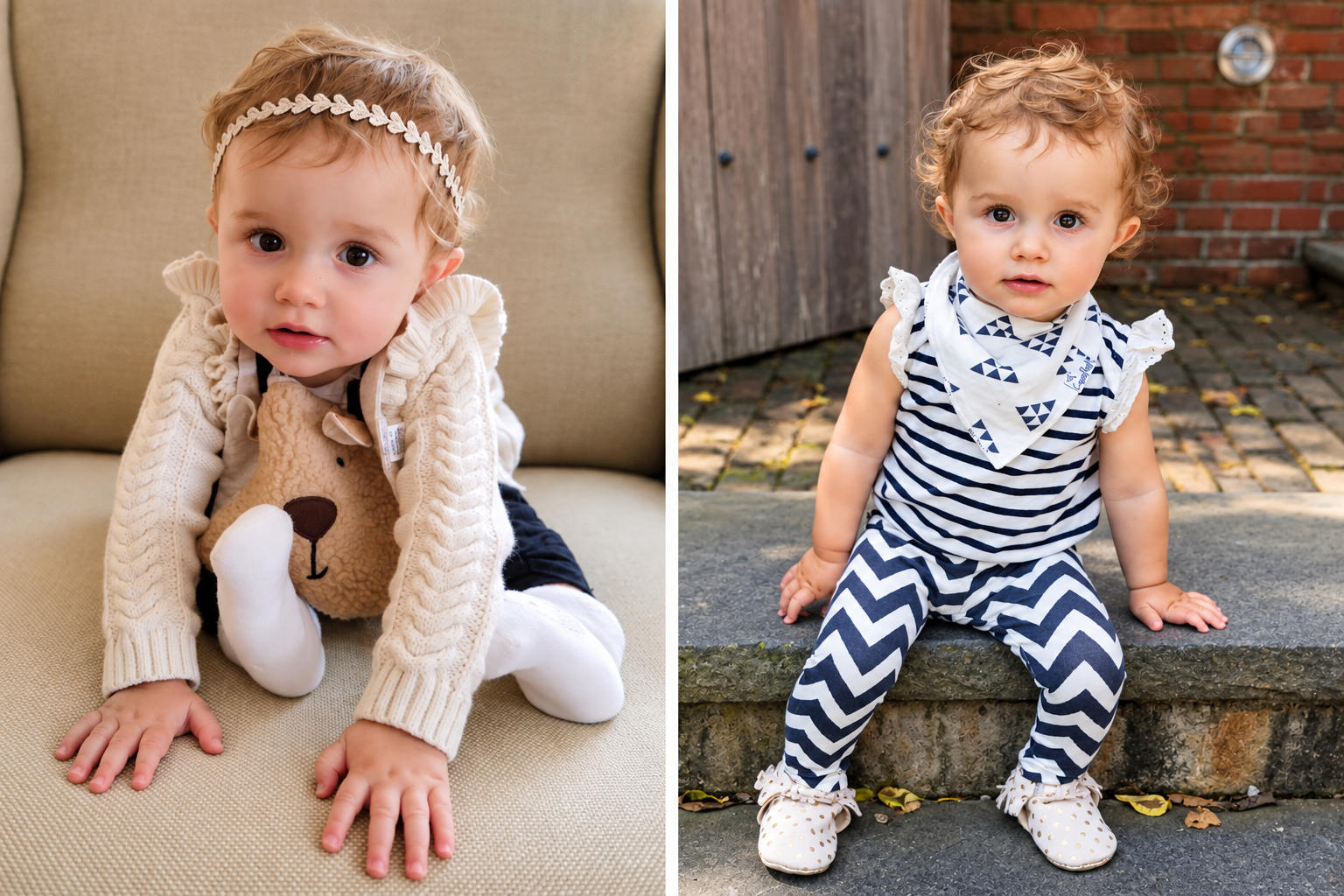
Nine years without an answer
From infancy, Ellia's development was delayed. She sat at nine months, crawled at eighteen months, and walked at twenty-six months. She did not speak. I kept asking for help, but was told not to worry, that children develop at their own pace and she would catch up.
When Ellia was two, an MRI showed that she was missing a portion of the white matter in her brain. A neurologist told us she might have a degenerative disorder and likely would not live to her fifth birthday. If she survived, he told us she would likely be profoundly disabled and unlikely to ever walk or talk.
For more than ten months, we waited to learn whether our daughter was dying. Then we were told her condition did not appear to be fatal.
I have never been so relieved to hear that my child might “only” be profoundly disabled.
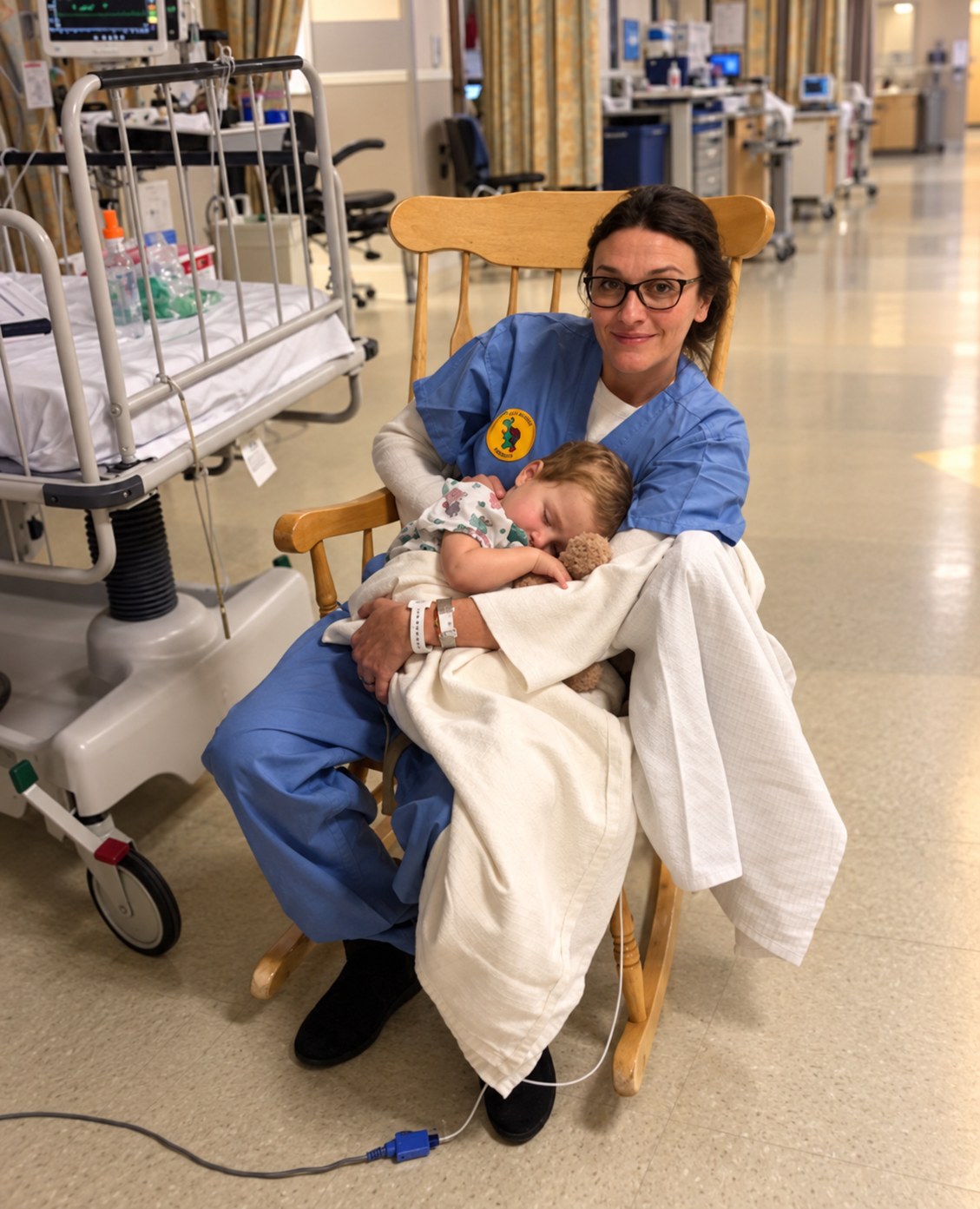
At three, Ellia had her first seizure. It lasted five hours. Specialists could not stop it, and she was placed in a medically induced coma in the ICU. Her seizures have never lasted less than ninety minutes. Illness can trigger them, so daily life involves constant precautions and the knowledge that another serious seizure could change her life.
For years, we collected diagnoses but had no explanation that connected them. We had no community, no roadmap, and no way to know what the future held.
The answer was in her genome, but the science had not caught up
We submitted Ellia's information to the Rare Genome Project. Her whole genome was sequenced, but the analysis found no answer. The gene responsible for her condition had not yet been recognized as a disease-causing gene. The clue was there; researchers did not yet know what it meant.
That distinction matters. A result can be reported as negative even when a person's genome contains the answer, because the science has not yet learned to recognize it.
In April 2025, researchers identified a neurodevelopmental disorder caused by variants in RNU2-2, now known as ReNU2. When Ellia's genome was examined in light of that discovery, she finally had a diagnosis.
After nine years of searching, we had a name.
The first report described only a small number of people with the dominant form of ReNU2. Then, in March 2026, three papers in Nature Genetics brought another major discovery: a distinct recessive form of ReNU2, which researchers described as the most prevalent known recessive neurodevelopmental disorder. Many people around the world may still be undiagnosed.
What once looked like an exceptionally rare diagnosis is part of a much larger global diagnostic gap.
Ellia is more than the prognosis
The neurologist was wrong about what Ellia would be able to do. She walks. She talks. She sings and reads, and through adaptive programs for children with disabilities, she dances and rides horses. She found ways to communicate before speech came, including sign language.
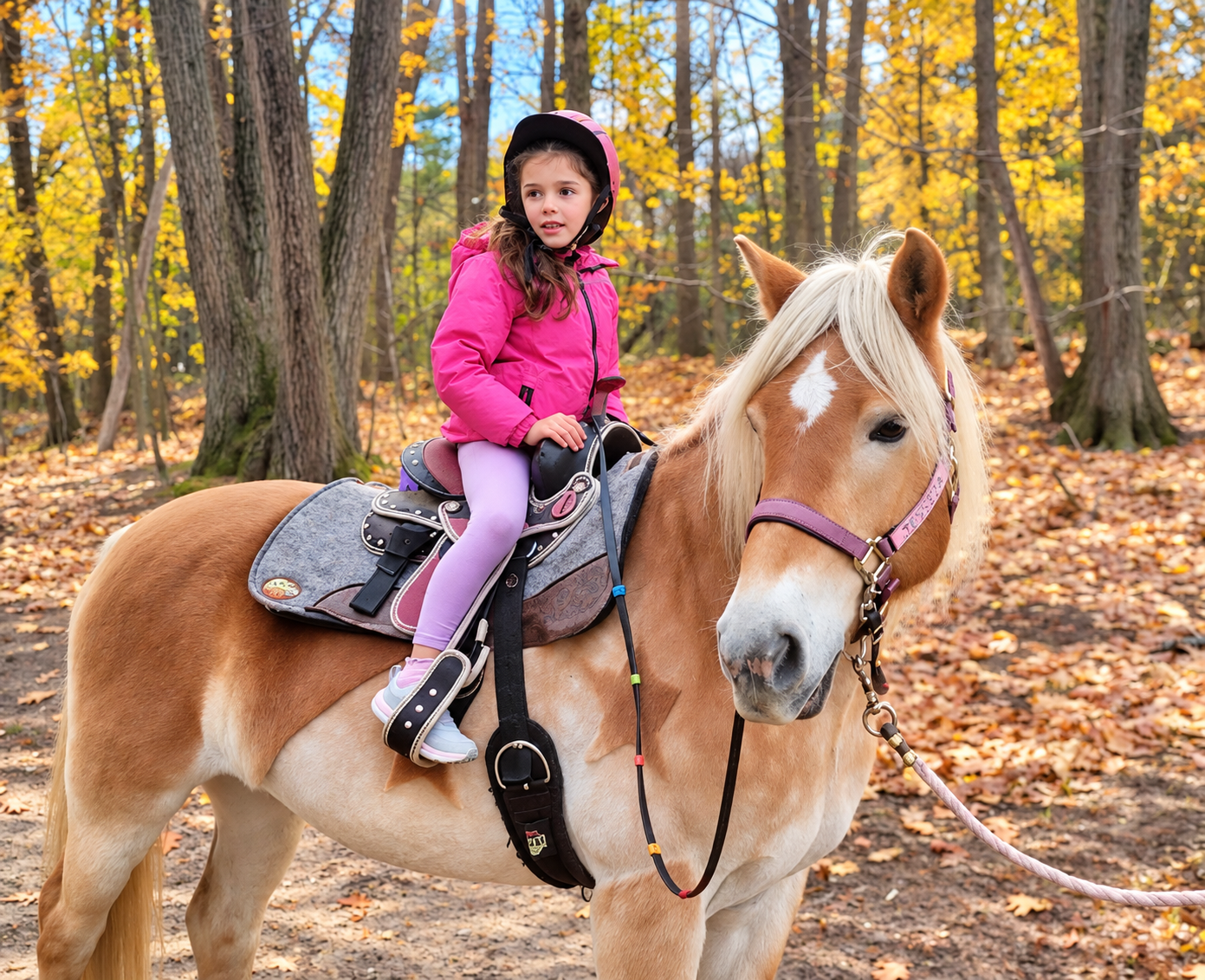

Ellia's abilities are unusual among people with ReNU2. For most, speech is limited to a few words or absent altogether. Some never walk. Most live with severe intellectual disability and epilepsy that often begins in early childhood, and some depend on feeding tubes.
We hold Ellia's joys carefully, because every day still takes a great deal of support. She attends a specialized school for children with moderate to severe disabilities, needs hands-on help with nearly every part of her daily care, and requires supervision around the clock. Her seizures remain prolonged and dangerous, and her service dog is trained to alert us when one begins.
None of what Ellia has gained is guaranteed. Research and family experience show that severe seizures can cause some people with ReNU2 to lose skills they worked years to build. That Ellia walks and talks today does not mean she always will.
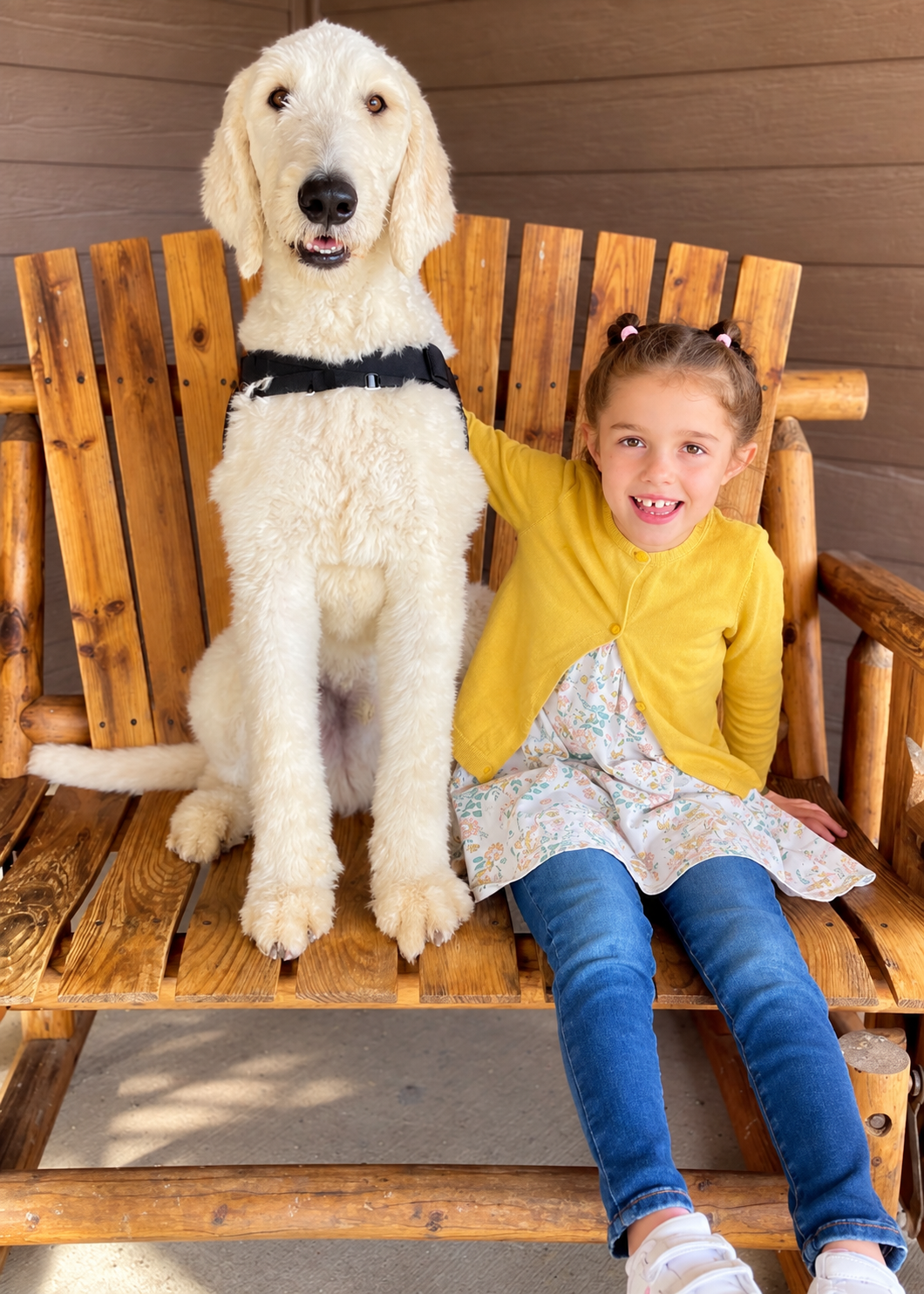
Her story is not a promise about what another child's future will look like. It is a reminder that no prognosis can capture a whole person, and that families deserve answers, support, and research.
Why we founded ReNU2 Foundation
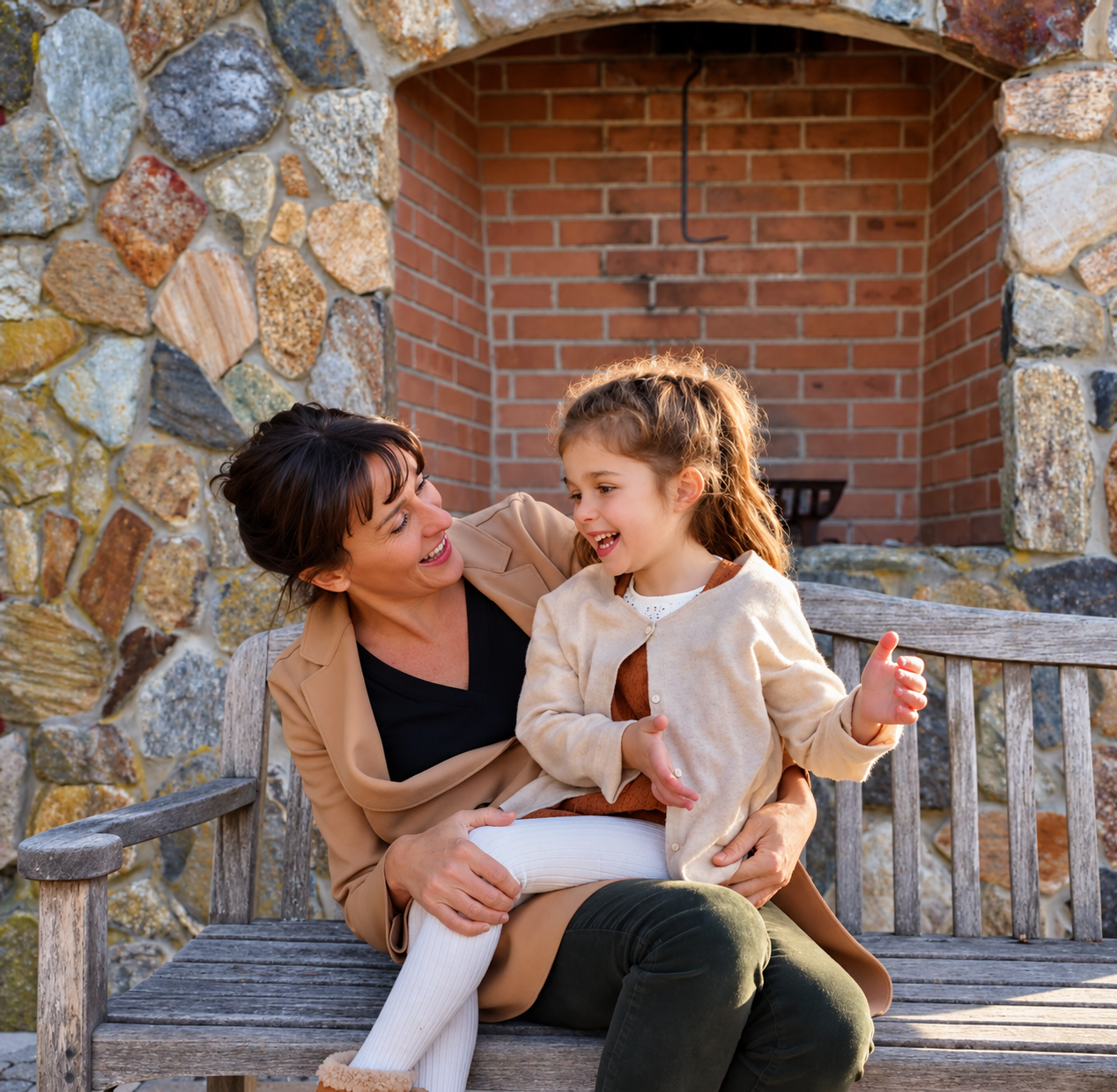
I founded ReNU2 Foundation because I know what it is to search for years, receive no answer, and wonder whether anyone else understands. No family should have to face that alone.
Today, the Foundation connects more than 100 families across more than 24 countries. We share reliable information, support family connection, educate clinicians, and work with researchers to identify more people affected by ReNU2.
There are no established treatments that change the underlying disorder today. But research is advancing, more people are being identified, and the work needed for future treatment development is beginning.
The science is moving quickly. The work now is to build the family, clinical, and research infrastructure to match it.
About Laura Wilson
Laura Wilson is the founder of ReNU2 Foundation and Ellia's mother. She holds a master's degree in marriage and family therapy. She founded the organization as a parent who spent years navigating a medical system that did not yet have an answer for her child.
Be part of the work
Families, clinicians, researchers, and supporters all have a role in changing what happens next.
Support the workSources
Greene D, De Wispelaere K, Lees J, et al. Mutations in the small nuclear RNA gene RNU2-2 cause a severe neurodevelopmental disorder with prominent epilepsy. Nature Genetics 57, 1367–1373, 2025.
Greene D, et al. Biallelic variants in RNU2-2 cause the most prevalent known recessive neurodevelopmental disorder. Nature Genetics, 2026. doi:10.1038/s41588-026-02539-5
Jackson A, Blakes AJM, Banka S, et al. Biallelic variants in RNU2-2 cause a remarkably frequent developmental and epileptic encephalopathy. Nature Genetics 58, 798–809, 2026.
Leitão E, Santini A, Nava C, et al. Systematic analysis of snRNA genes reveals frequent RNU2-2 variants in dominant and recessive developmental and epileptic encephalopathies. Nature Genetics 58, 782–797, 2026.
Krygier M, et al. Prominent movement disorders in RNU2-2-related spliceosomopathy. Annals of Clinical and Translational Neurology, 2026. doi:10.1002/acn3.70442